
Stone panna price
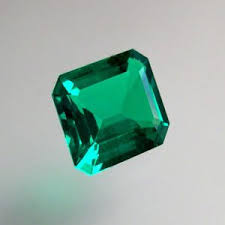
💎 Panna Stone (Emerald) — Detailed Price Guide (India)
Panna, in Hindi, refers to the Emerald gemstone, one of the most valued green gemstones in the world. It’s widely used in jewelry, astrology, and investment — and its price can vary a LOT depending on many quality factors.
📊 Typical Price Ranges in India (Per Carat)
Prices are usually shown per carat (1 carat ≈ 0.2 grams). Here’s a comprehensive look:
🟢 Lower Quality (Commercial / Lesser Clarity)
-
₹500 – ₹5,000 per carat
-
Often Indian origin or with many inclusions
-
Good for fashion jewelry, not high‑end use
🟡 Mid‑Range Quality
-
₹5,000 – ₹50,000 per carat
-
Better green color and clearer appearance
-
Good for daily jewelry or moderate investment
🔴 High / Premium Quality
-
₹50,000 – ₹1,50,000+ per carat
-
Rich, vivid green color with better clarity
-
Often lab certified and suitable for investment or fine jewelry
🔥 Collector / Investment Grade
-
₹1,50,000 – ₹2,00,000+ and beyond
-
Exceptional clarity, deep green color, from top origins like Colombia or premium Zambian stones
-
Rare and valuable (some specific stones can be much pricier)
⚠️ Some sources even list premium emeralds worth ₹2,00,000–₹10,00,000+ per carat if the stone is extremely rare and untreated with excellent color (2026 changing market conditions).
🧩 Real Example Price Listings
Here are some actual prices seen online from sellers:
-
7.15 carat (natural, certified, Zambia) — around ₹38,558 total (≈ ₹5,400/carat depending on quality)
-
5.50–6.99 carat certified stones — ₹49,000–₹62,000 total (≈ ₹7,000–₹9,000+ per carat)
-
Certified Zambian stones 5.3–7.6 carat — prices vary quite widely depending on quality and certification (≈ ₹23,000–₹198,000 total range seen)
These prices show how even stones of similar carat can differ big time based on quality, clarity, and lab certification.
🛠️ Key Factors That Affect Panna Stone Price
🎨 1. Color (Most Important)
-
Deep, vibrant emerald‑green ➜ highest value
-
Pale or uneven green ➜ lower price
Color quality dramatically affects price.
🔍 2. Clarity
-
Fewer visible inclusions (cleaner stone) ➜ higher value
-
Emeralds often have “jardin” (natural lines/inclusions), but clarity still matters a lot.
✂️ 3. Cut & Shape
-
Well‑cut stones show better brilliance and value
-
Poor cut reduces sparkle and therefore price.
🌍 4. Origin
-
Colombian emeralds are traditionally most expensive
-
Zambian & Brazilian stones also fetch premium prices
-
Local Indian emeralds usually cost less than foreign high‑grade ones.
📜 5. Certification
-
Certified stones (GIA, IGI, ISO labs) cost more but reduce risk
-
Certification proves natural origin, quality, treatment, and adds trust and resale value.
🧪 6. Treatment
-
Most emeralds are oiled to enhance clarity
-
Untreated stones are rarer and significantly costlier.
💡 Tips Before Buying
✔ Get a lab certificate
Certification ensures you’re paying for actual quality and not fake or overly treated stones.
✔ Check per carat price, not total only
Comparing stones by ₹ per carat gives a fairer idea of value.
✔ Ask about treatment history
Untreated stones are rare and more valuable — oiling is common but should be disclosed.
✔ Know the origin
Colombian & Zambian stones generally sell at higher prices than local stones.
📌 Summary — Price Breakdown
| Quality Level | Typical Price Per Carat (₹) |
|---|---|
| Low / Commercial | ~₹500 – ₹5,000 |
| Mid Range | ~₹5,000 – ₹50,000 |
| High / Premium | ~₹50,000 – ₹1,50,000+ |
| Collector / Rare | ₹1,50,000 – ₹2,00,000+ (possible higher) |
⚠️ These are approximate ranges — real market prices vary greatly by seller, location, and authentication.
📍 Why Prices Vary So Much
Emerald (Panna) is priced on rarity, beauty, and purity rather than just weight; two stones of the same carat can have very different prices if their color and clarity differ