
Sapphire stones
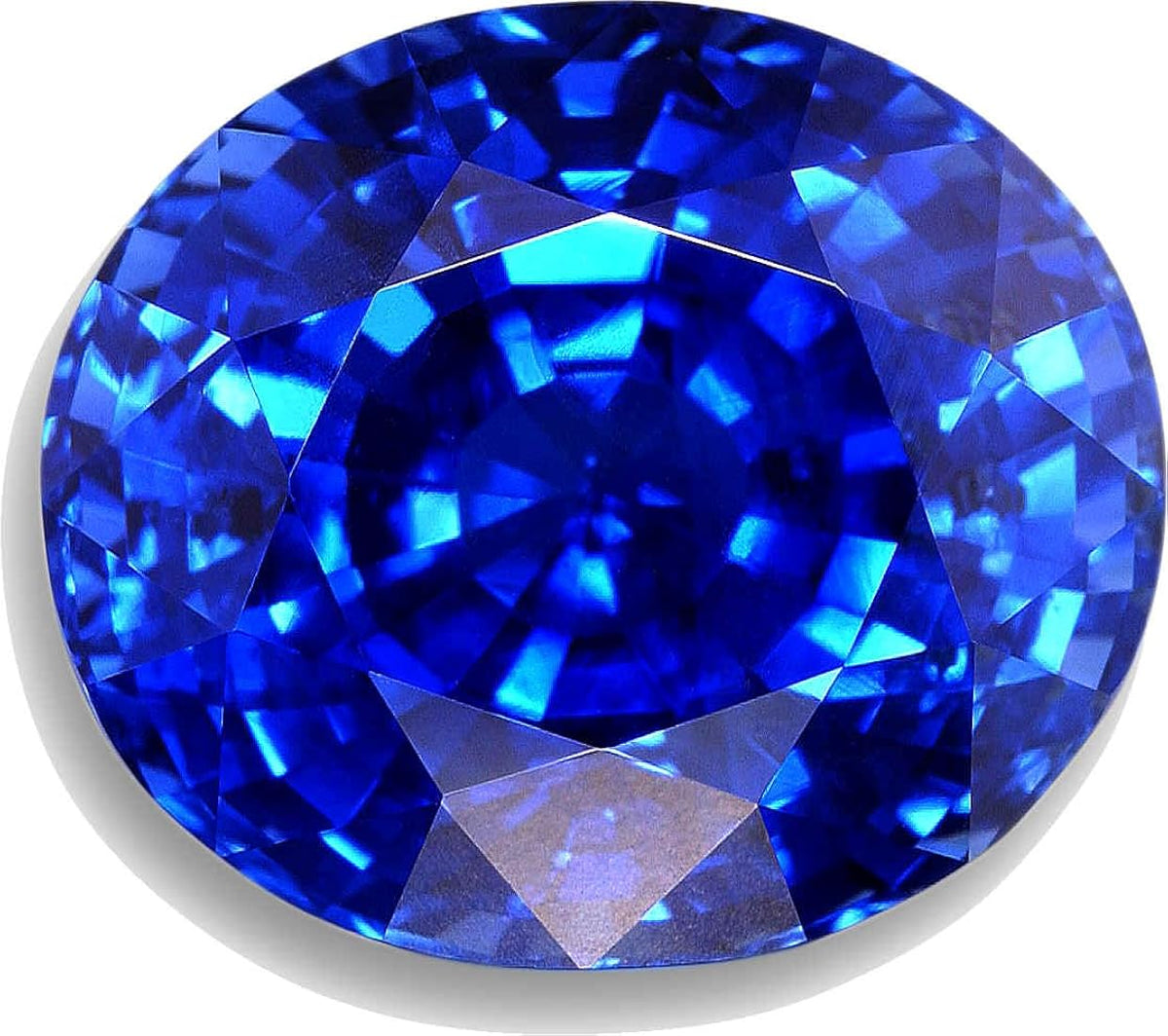
Sapphire the gemstone of kings and celestial mysteries, is a jewel whose allure transcends mere adornment, evoking both the quiet majesty of the heavens and the deep, unfathomable mysteries of the earth. Its most celebrated hue is a profound, velvety blue like the sky at twilight when the first stars begin to glimmer or the serene, infinite depth of an untouched mountain lake. Yet sapphires are not bound to blue alone; they manifest in an astonishing spectrum of colors: delicate pinks like dawn’s first blush, golden yellows that echo sunlight caught in honey, lush greens reminiscent of verdant forests, and rare colorless or near-black stones that seem to drink in every surrounding shadow. Each sapphire is a universe unto itself, a microcosm of the natural world captured in crystalline perfection.
Sapphires belong to the corundum family, a crystalline form of aluminum oxide, and possess a hardness of 9 on the Mohs scale, making them second only to diamonds in durability. This remarkable resilience allows them to endure the rigors of daily wear, while maintaining their radiant beauty for generations. When light strikes a fine sapphire, it is refracted and reflected in an almost magical display: a luminous, inner glow that seems to emanate from within the stone, creating an impression of depth and life. Some sapphires, known as star sapphires, possess inclusions of needle-like minerals that produce a shimmering star pattern—a celestial asterism that appears to float atop the stone, moving subtly as the gem is turned, evoking wonder and reverence as if a fragment of the cosmos had been captured and set in precious metal.
The formation of a sapphire is itself a tale of patience and geologic artistry. Deep beneath the earth’s surface, under immense pressure and heat, aluminum oxide crystallizes over millions of years, slowly taking shape in mineral-rich environments. Trace elements such as iron, titanium, or chromium seep into the lattice, giving each stone its unique hue and character. No two sapphires are identical: the subtlest variations in color, clarity, or internal structure transform a gem from a mere stone into a masterpiece of nature, each facet a testament to the hidden artistry of the earth.
Beyond its physical beauty, sapphire carries with it a rich tapestry of symbolism, history, and legend. For centuries, it has been associated with wisdom, virtue, and divine favor. Kings and queens have adorned their crowns with sapphires, believing that the stones could protect them from harm and guide their judgments with clarity and insight. Medieval clergy believed that sapphires could ward off envy and evil spirits, while in ancient Persia, it was said that the sky itself rested on massive sapphire stones, imparting its blue reflection to the heavens. Sapphires are also symbols of loyalty and fidelity; the deep blue hue evokes trust, serenity, and steadfastness, making them the gemstone of choice for engagement rings that are meant to last a lifetime.
The optical phenomena found in sapphires are as enchanting as their colors. Pleochroism, for example, allows the stone to show different colors when viewed from varying angles, as if it were alive, subtly shifting its tones to reflect the observer’s perspective. Star sapphires produce ethereal six-rayed stars, caused by intersecting inclusions of the mineral rutile, which glide across the stone’s surface like constellations moving across the night sky. Some rare sapphires exhibit a soft, velvety sheen called silk, a delicate web of mineral threads that enhances their luster and creates an almost otherworldly depth.
The allure of sapphire is not limited to its science or symbolism; it resonates with human emotion and imagination. When set into jewelry, a sapphire transforms into a focal point of admiration and storytelling. It can crown a ring, set into an intricate necklace, or dangle as an elegant pendant, each cut and facet designed to amplify the gem’s inherent beauty. Under candlelight, the stone glimmers with a quiet fire, seeming almost alive—capable of reflecting the wearer’s inner strength, aspirations, and grace. In larger sizes, the sapphire becomes a landscape unto itself, a realm of blues and shadows, like a storm-tossed sea frozen in eternity, compelling viewers to lose themselves in its depth.
Metaphysically, sapphires have long been associated with spiritual enlightenment, inner peace, and mental clarity. They are said to sharpen intuition, focus the mind, and calm turbulent emotions, providing a sense of serenity akin to gazing into a tranquil night sky. In this way, a sapphire is not only an object of aesthetic splendor but also a talisman, a companion in contemplation, and a bridge between the terrestrial and the celestial.
In essence, sapphire is a stone of paradoxes: at once ancient and timeless, enduring yet fragile in its perfection, serene yet vibrant with life, mysterious yet familiar in its ethereal beauty. To behold a fine sapphire is to witness the artistry of nature distilled into crystal form, to touch a fragment of eternity, and to experience a quiet awe that transcends words. Each stone tells a story: of the earth’s slow, patient creation, of human admiration and reverence, and of a beauty so profound that it has captivated civilizations for millennia, promising to enchant generations yet to come