
Old Temples of India
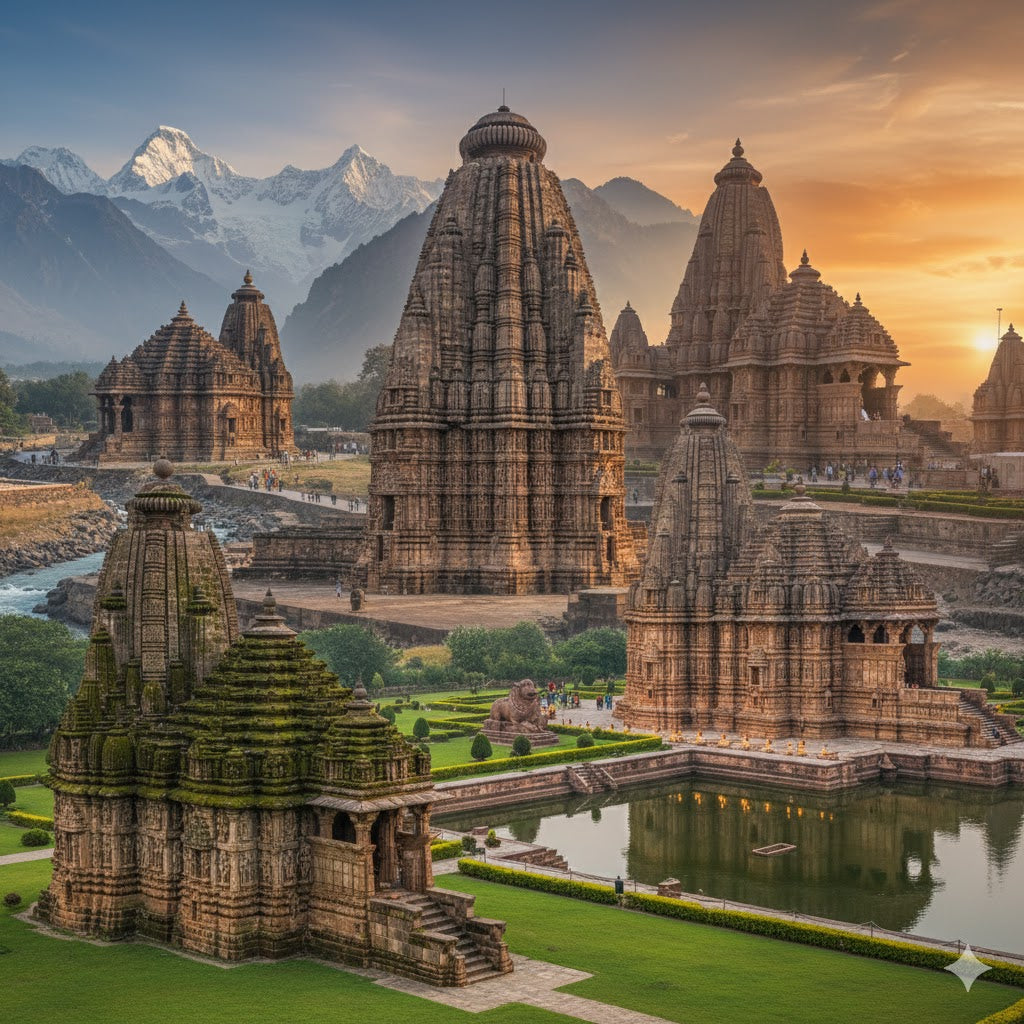
Old Temples of India: Ancient Sacred Wonders That Still Inspire Faith
India is a land where spirituality and history walk hand in hand. The old temples of India are not just places of worship — they are living symbols of ancient architecture, cosmic science, devotion, and cultural continuity. Many of these temples were built thousands of years ago and continue to attract millions of devotees even today.
This blog explores some of the oldest and most significant temples in India, their history, spiritual importance, and architectural brilliance.
1. Mundeshwari Devi Temple, Bihar

(One of the Oldest Temples in India)
Location: Kaimur District, Bihar
Estimated Age: Over 2,000 years (around 108 CE)
The Mundeshwari Devi Temple is considered one of the oldest surviving Hindu temples in India. Dedicated to Goddess Shakti and Lord Shiva, this temple has been continuously worshipped since ancient times.
Highlights:
-
Octagonal stone structure
-
Ancient inscriptions in Brahmi script
-
Daily rituals still performed without interruption
Spiritual Significance:
Believed to be a powerful Shakti Peeth, granting protection and strength.
2. Brihadeeswarar Temple, Tamil Nadu

Location: Thanjavur, Tamil Nadu
Built: 1010 CE by Raja Raja Chola I
UNESCO World Heritage Site
Also known as the Big Temple, this majestic Shiva temple is a masterpiece of Dravidian architecture. The entire structure is made of granite, including a massive 80-ton capstone placed at the top of the vimana.
Highlights:
-
216-foot tall vimana
-
Massive Nandi statue
-
Precise astronomical alignment
Spiritual Significance:
Dedicated to Lord Shiva as Brihadeeswara, symbolizing cosmic power.
3. Kedarnath Temple, Uttarakhand

Location: Garhwal Himalayas, Uttarakhand
Estimated Age: Over 1,200 years
One of the 12 Jyotirlingas
Situated at an altitude of 11,755 feet, Kedarnath is one of the most sacred and ancient Shiva temples in India. According to tradition, it was originally built by the Pandavas and later renovated by Adi Shankaracharya.
Highlights:
-
Survived floods and harsh Himalayan climate
-
Built from massive stone slabs
-
Spiritual energy of the Jyotirlinga
Spiritual Significance:
Associated with moksha (liberation) and divine forgiveness.
4. Meenakshi Amman Temple, Tamil Nadu

Location: Madurai, Tamil Nadu
Origins: Over 2,000 years old
This ancient temple is dedicated to Goddess Meenakshi (Parvati) and Lord Sundareswarar (Shiva). The temple is world-famous for its towering gopurams covered with thousands of colorful sculptures.
Highlights:
-
14 majestic gopurams
-
Sacred golden lotus pond
-
Continuous festivals and rituals
Spiritual Significance:
Represents divine feminine power and marital harmony.
5. Konark Sun Temple, Odisha

Location: Konark, Odisha
Built: 13th century by King Narasimhadeva I
UNESCO World Heritage Site
Designed as a gigantic stone chariot of the Sun God Surya, this temple is a marvel of ancient Indian engineering and astronomy.
Highlights:
-
24 intricately carved stone wheels
-
Sun-aligned architecture
-
Exquisite sculptures
Spiritual Significance:
Symbolizes cosmic time, energy, and life force.
6. Somnath Temple, Gujarat

Location: Prabhas Patan, Gujarat
One of the 12 Jyotirlingas of Shiva
Somnath is one of the most revered and ancient temples in India. Despite being destroyed and rebuilt several times throughout history, it stands today as a symbol of faith and resilience.
Highlights:
-
First among the Jyotirlingas
-
Located near the Arabian Sea
-
Powerful spiritual vibrations
Spiritual Significance:
Represents eternal Shiva beyond destruction.
7. Jagannath Temple, Odisha

Location: Puri, Odisha
Estimated Age: Over 1,000 years
Dedicated to Lord Jagannath (Krishna), this temple is famous for the Rath Yatra, one of the largest religious festivals in the world.
Highlights:
-
Unique wooden idols
-
Strict temple traditions
-
Massive annual chariot festival
Spiritual Significance:
Symbol of universal brotherhood and devotion.
Why Old Temples of India Are So Special
-
Built using ancient Vastu and cosmic science
-
Spiritual energy preserved for centuries
-
Centers of culture, art, music, and learning
-
Still active places of daily worship
These temples are not ruins — they are living heritage.
Final Thoughts
The old temples of India are timeless bridges between humanity and the divine. They remind us of India’s deep spiritual roots, architectural genius, and unbroken faith. Visiting or learning about these temples is not just a journey through history — it is a journey within.