
gemstones yellow sapphire
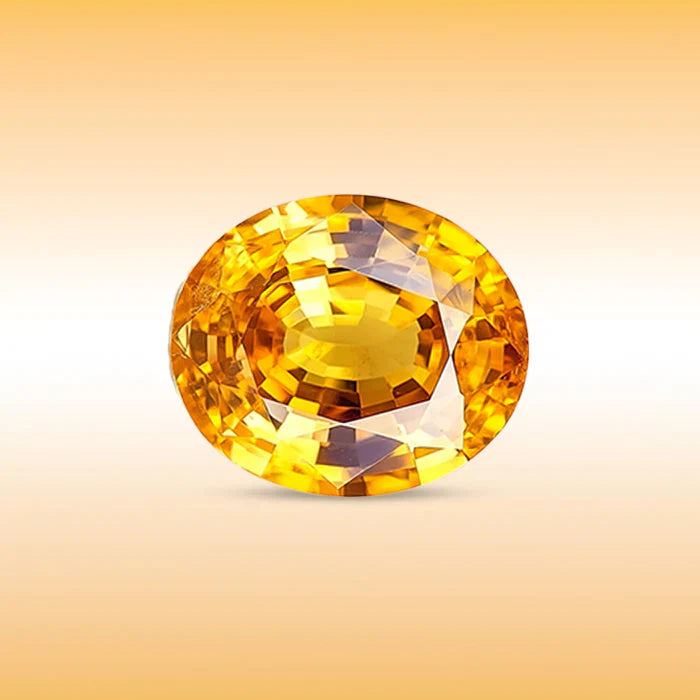
Yellow Sapphire, also known as Pukhraj stone, is one of the most powerful and auspicious gemstones in Vedic astrology. It is highly valued for attracting wealth, prosperity, marriage stability, wisdom, and overall success in life.
This blog gives you a complete understanding of Yellow Sapphire gemstone, including its meaning, benefits, price, types, and how to wear it correctly.
💛 What is Yellow Sapphire Stone?
Yellow Sapphire is a precious gemstone from the corundum family, the same family as ruby and blue sapphire. It comes in beautiful shades of light yellow to deep golden yellow.
It is considered one of the most valuable gemstones because of its strong astrological influence and natural brilliance.
Major sources:
- Sri Lanka (Ceylon Sapphire – best quality)
- Thailand
- Myanmar
- India (limited quality)
✨ Yellow Sapphire Stone Meaning
Yellow Sapphire represents:
- Wisdom
- Wealth
- Prosperity
- Spiritual growth
- Good fortune
In astrology, it is associated with the planet Jupiter (Guru), which symbolizes knowledge, expansion, and blessings.
🔥 Benefits of Yellow Sapphire (Pukhraj Stone)
1. Attracts Wealth & Financial Growth
Yellow Sapphire is known to bring financial stability, income growth, and business success.
2. Improves Marriage & Relationships
It is highly recommended for people facing delay in marriage or relationship problems.
3. Enhances Wisdom & Intelligence
It improves decision-making power, learning ability, and clarity of thought.
4. Brings Luck & Prosperity
Considered one of the most lucky gemstones in astrology.
5. Strengthens Career Growth
Helps in promotions, job stability, and leadership opportunities.
6. Improves Health & Positivity
Believed to boost immunity and overall mental peace.
🪐 Yellow Sapphire in Astrology
Yellow Sapphire is the gemstone of Jupiter (Guru Grah).
It is highly beneficial for:
- Sagittarius (Dhanu Rashi)
- Pisces (Meen Rashi)
It is recommended for:
- Teachers, advisors, consultants
- Business owners
- Students and researchers
- People seeking marriage or stability
💍 How to Wear Yellow Sapphire Stone
- Metal: Gold (most recommended)
- Finger: Index finger (right hand)
- Day: Thursday
- Time: Morning after sunrise
- Mantra: “Om Brim Brihaspataye Namah” (108 times)
Always wear after proper energization.
💰 Yellow Sapphire Stone Price in India
The price depends on origin, clarity, and color quality.
Approximate price range:
- Low quality: ₹2,000 – ₹5,000 per carat
- Medium quality: ₹5,000 – ₹15,000 per carat
- Premium Ceylon Yellow Sapphire: ₹15,000 – ₹50,000+ per carat
Sri Lankan sapphires are considered the most powerful and expensive.
🧿 Types of Yellow Sapphire
- Ceylon Yellow Sapphire – Best quality, bright golden color
- Thai Yellow Sapphire – Slightly darker shade
- Indian Yellow Sapphire – Budget-friendly option
- Treated Yellow Sapphire – Less effective for astrology
🧘 Spiritual & Healing Uses
Yellow Sapphire is used in:
- Meditation practices
- Wealth attraction rituals
- Chakra balancing
- Energy healing
It is linked to the Vishuddha (Throat Chakra) and Ajna (Third Eye Chakra), supporting communication and wisdom.
🏠 Yellow Sapphire in Vastu
In Vastu Shastra, Yellow Sapphire is used for:
- Increasing financial energy in home
- Enhancing positivity in North-East direction
- Improving education and career energy
- Strengthening spiritual vibrations
⚠️ How to Identify Original Yellow Sapphire
- Natural golden-yellow color (not overly bright)
- Transparent with minor natural inclusions
- Strong luster and clarity
- Certified gemstone report
- No glassy or plastic appearance
❗ Precautions
- Must be astrologically suitable before wearing
- Avoid synthetic or heated stones for astrological use
- Clean and energize regularly
- Always buy certified natural gemstone
📌 Final Thoughts
Yellow Sapphire (Pukhraj) is one of the most powerful gemstones for wealth, wisdom, marriage, and success. It is highly respected in Vedic astrology for bringing long-term prosperity and positive transformation.
When worn correctly and authentically, it can significantly improve life stability and growth.