
Diamond for ring price
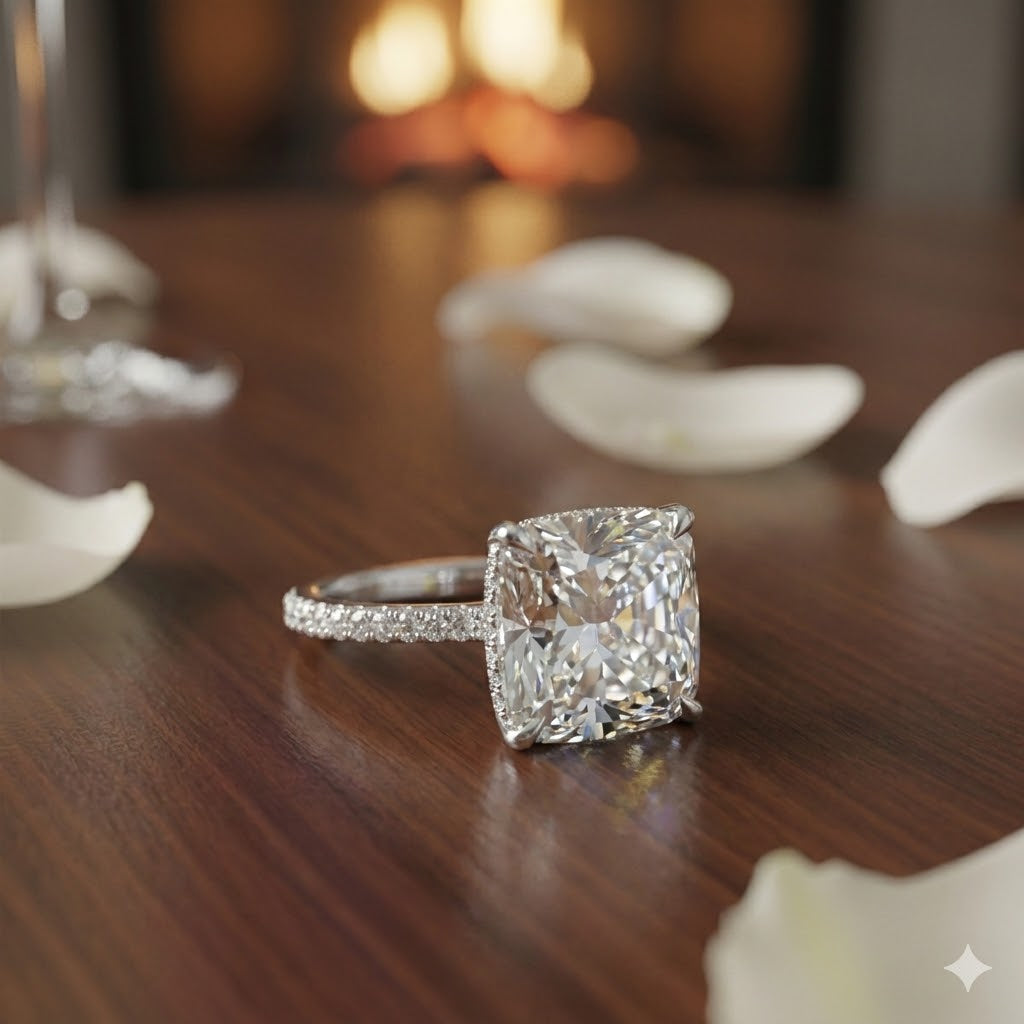
Diamond Price for Ring – Detailed Guide to Cost, Quality & Value
The price of a diamond for a ring depends on several important factors that determine its beauty, quality, rarity, and overall value. Diamonds are not priced at a fixed rate; instead, their cost varies based on characteristics such as size, cut, clarity, color, and certification. Understanding these factors helps buyers make an informed and confident decision when choosing the perfect diamond ring.
Whether you are buying an engagement ring, wedding ring, or a special gift, knowing how diamond pricing works ensures you get the best balance of beauty and value.
Key Factors That Affect Diamond Price
1. Carat Weight (Size)
Carat refers to the weight and size of the diamond. As carat weight increases, the price rises significantly because larger diamonds are rarer.
-
Small increases in carat weight can lead to a big jump in price
-
Popular sizes include 0.25, 0.50, 0.75, 1.00 carat and above
Larger diamonds create a stronger visual impact, but even smaller diamonds can look stunning with the right cut.
2. Cut Quality
The cut determines how well a diamond reflects light and sparkles. It is one of the most important factors affecting price and appearance.
-
Excellent or Ideal cut diamonds are more expensive
-
A well-cut diamond looks brighter and more brilliant, even if it is smaller
A high-quality cut can make a diamond appear larger and more dazzling.
3. Color Grade
Diamond color is graded from D (colorless) to Z (noticeable yellow or brown).
-
Colorless diamonds (D–F) are the most valuable and rare
-
Near-colorless diamonds (G–J) offer excellent value with minimal visible color
The less color a diamond has, the higher its price.
4. Clarity Grade
Clarity refers to the presence of natural inclusions or blemishes inside the diamond.
-
Flawless and Internally Flawless diamonds are rare and expensive
-
VS and SI clarity grades often provide the best balance of beauty and affordability
Most inclusions are not visible to the naked eye, making slightly included diamonds a smart choice.
5. Diamond Shape
The shape of the diamond also affects pricing.
-
Round brilliant diamonds are the most expensive due to high demand
-
Fancy shapes like oval, princess, pear, cushion, and emerald cuts are often more affordable
Shape choice can significantly influence the overall cost of the ring.
Certification & Authenticity
Certified diamonds are graded by trusted gemological laboratories such as GIA, IGI, or AGS.
-
Certified diamonds cost more but ensure quality and authenticity
-
Certification provides detailed information about the diamond’s characteristics
A certified diamond gives peace of mind and long-term value.
Diamond Price Range (General Overview)
Diamond prices can vary widely depending on quality:
-
Small diamonds (0.10–0.25 ct): Budget-friendly and elegant
-
Mid-size diamonds (0.30–0.75 ct): Popular for engagement rings
-
1 carat and above: Premium pricing due to rarity and demand
Prices increase sharply as size and quality improve.
Natural vs Lab-Grown Diamonds
-
Natural diamonds are formed over millions of years and are more expensive
-
Lab-grown diamonds offer the same visual beauty at a lower price
Both options are real diamonds, and the choice depends on personal preference and budget.
Choosing the Right Diamond for Your Ring
When selecting a diamond, it’s important to balance:
-
Budget
-
Visual appearance
-
Personal style
-
Long-term value
A slightly smaller diamond with better cut and clarity often looks more beautiful than a larger but lower-quality stone.
A Worthwhile Investment in Beauty & Emotion
A diamond ring is not just a purchase—it is an emotional investment. The price reflects the diamond’s rarity, craftsmanship, and timeless appeal. Whether modest or luxurious, the right diamond carries meaning, elegance, and a promise that lasts forever